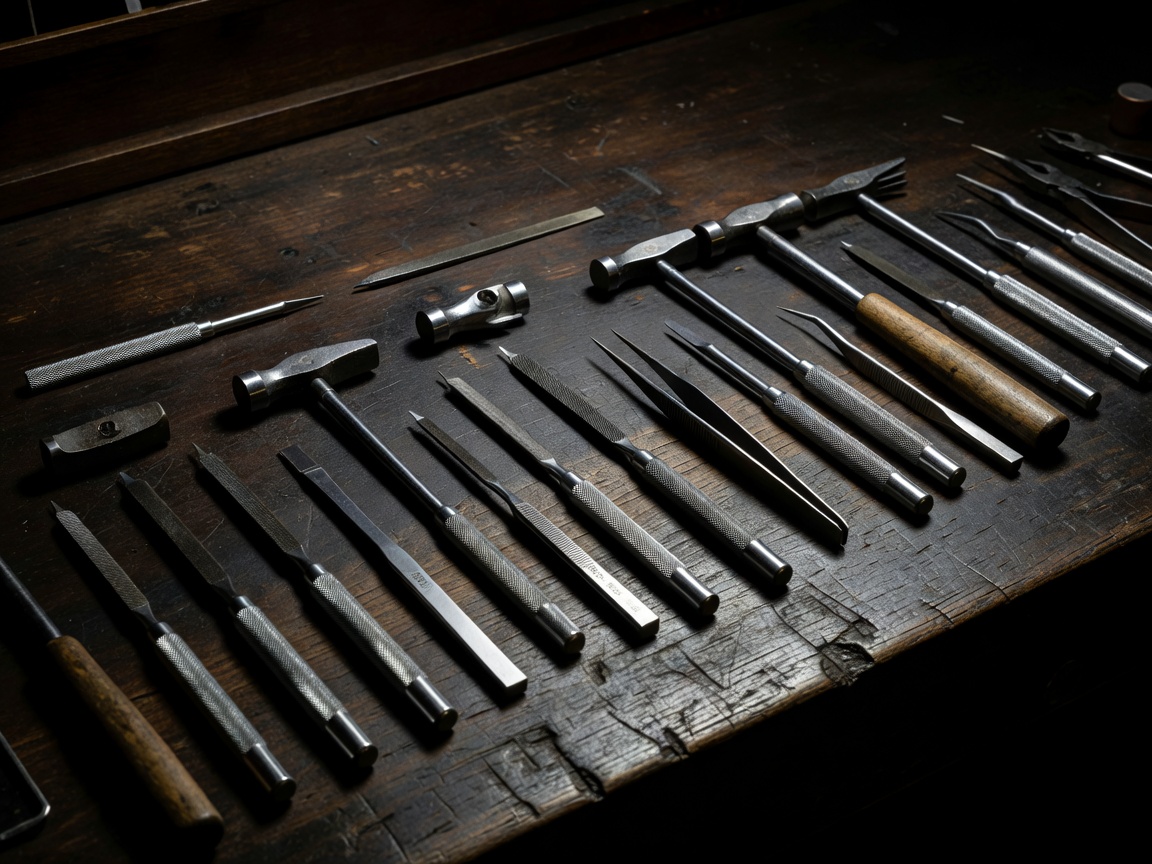
01 / Regions
Jewelry Districts by Region
Trace craft clusters through materials, labor, trade, and urban markets.
Read regional guide →European Jewelry District Atlas / Field guide 2026
A practical guide to historic jewelry cities, craft districts, materials, and making traditions.
Navigation index
01 / Regions
Trace craft clusters through materials, labor, trade, and urban markets.
Read regional guide →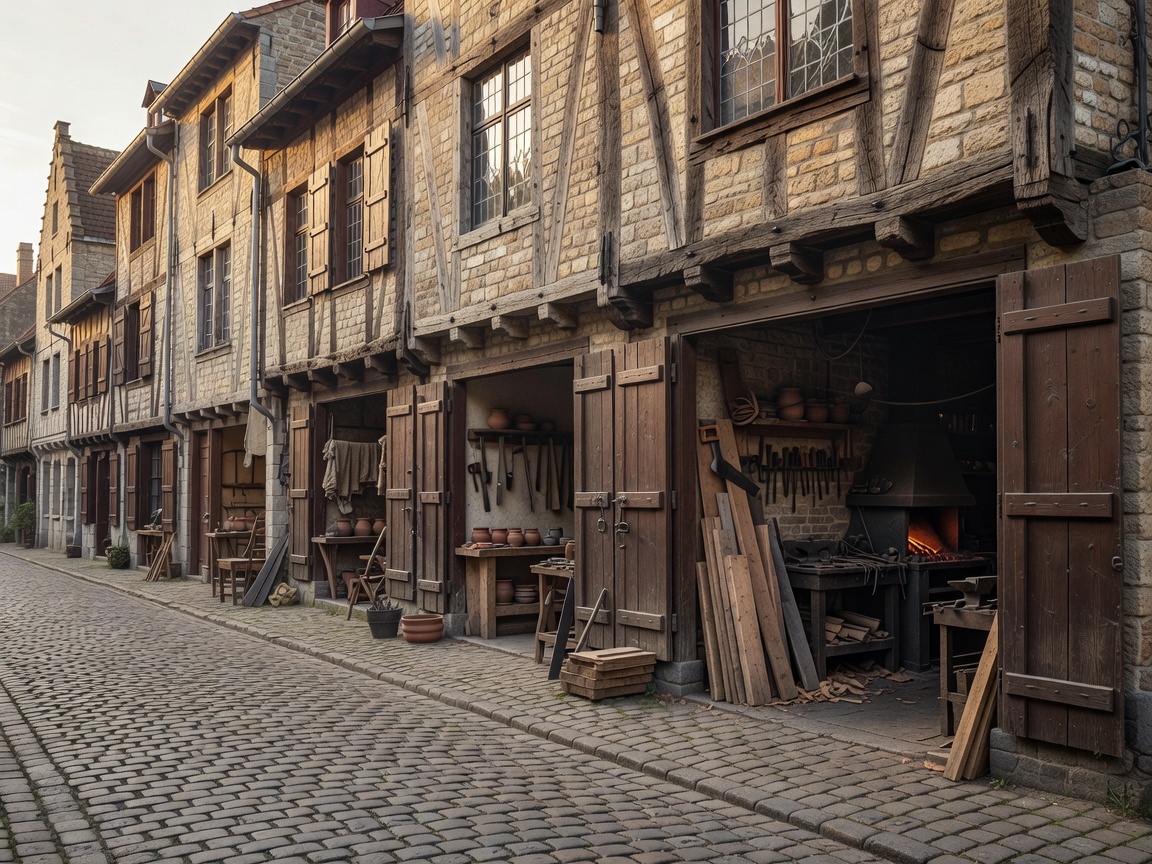
02 / Cities
Study the city systems that supported specialist jewelry work.
Open city guide →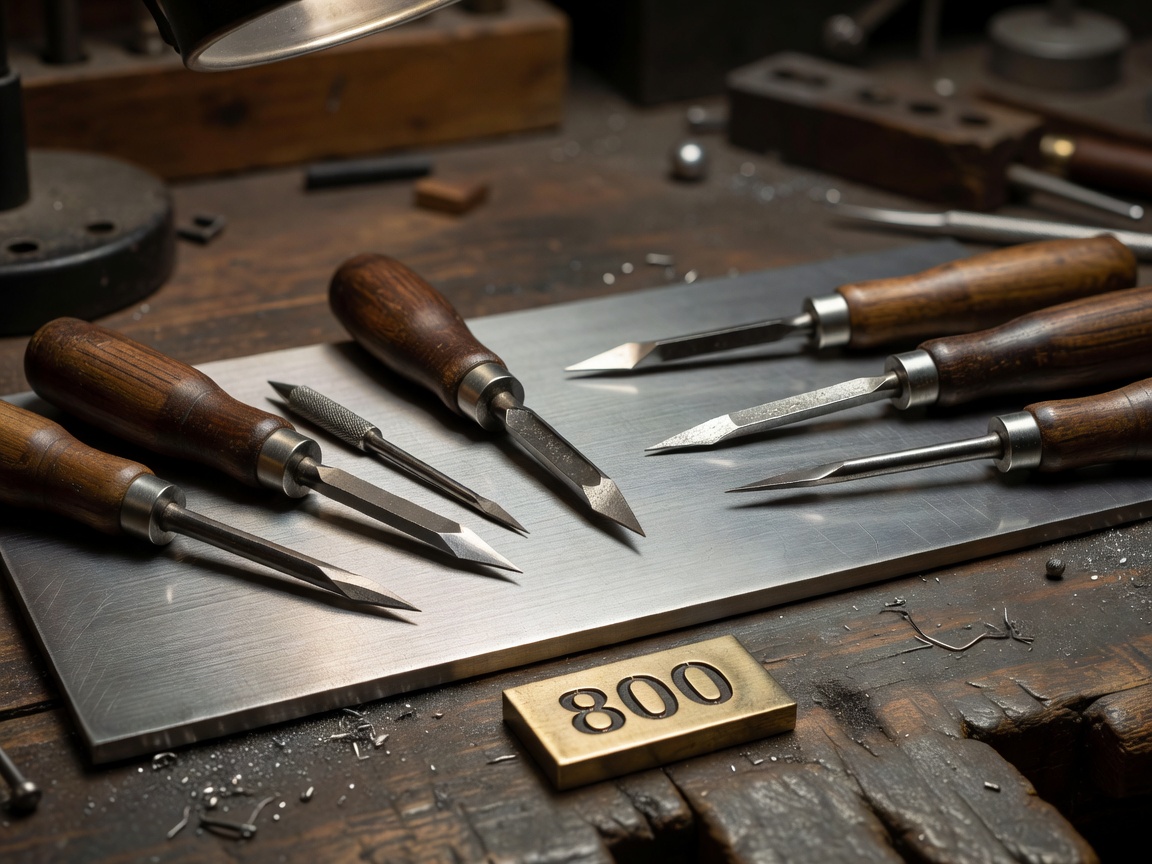
03 / Methods
Plain-language explanations of forming, joining, surface, and setting work.
Study techniques →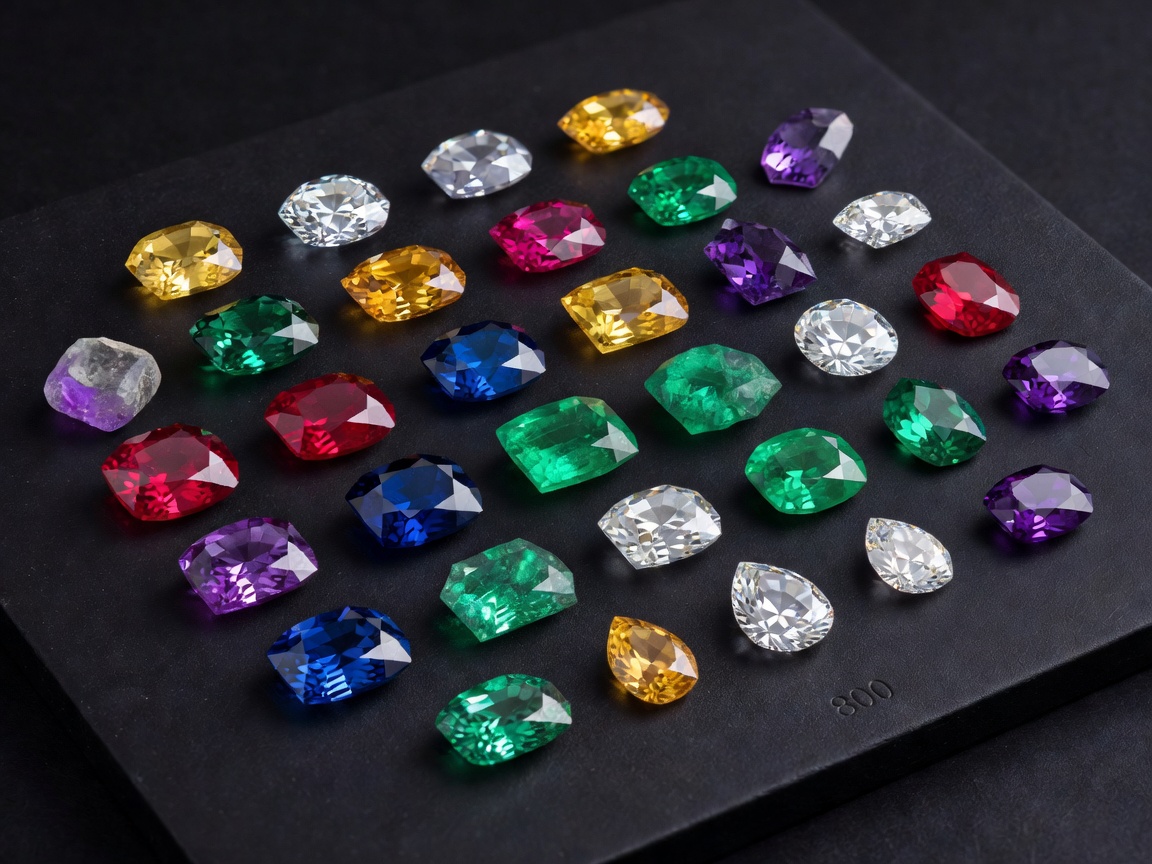
04 / Matter
Compare metals, enamel, glass, pearls, diamonds, and colored stones.
Compare materials →
05 / Planning
Build a useful visit plan without relying on unverified schedules.
Plan a route →Development model
Not every district follows the same path. These forces often overlap.
Metal, stone, glass, or supply access sets an initial condition.
Specialist knowledge grows through work and apprenticeship.
Small rooms and larger factories create production capacity.
Merchants, clients, fairs, and urban demand connect makers.
Repeated activity leaves a visible geographic pattern.