Guide 02 / Urban history
Historic jewelry cities.
Cities become jewelry centers through linked trades, training, markets, and production capacity.
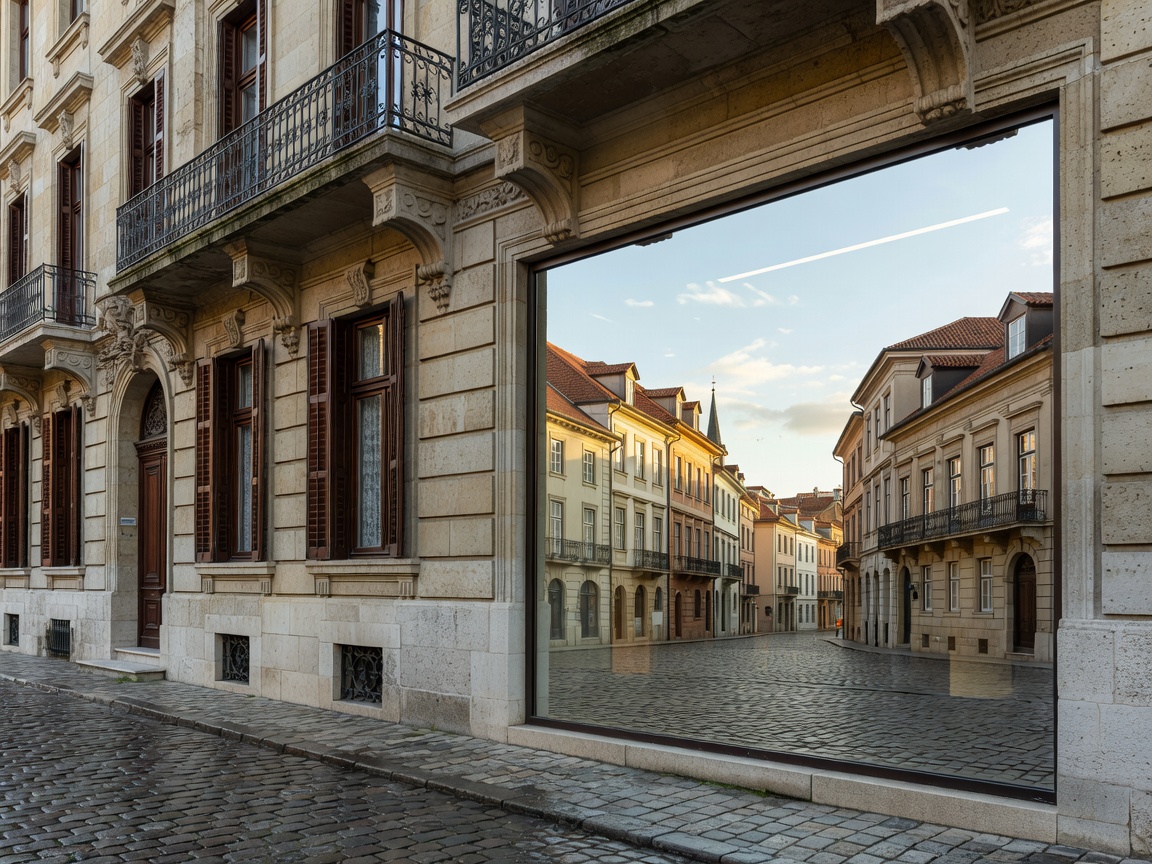
City profile
Read the network, not only the landmark.
A jewelry city can contain workshops, wholesalers, schools, assayers, tool suppliers, retailers, repairers, and galleries. They may occupy one quarter or extend across several commercial areas.
Historic identity does not guarantee present-day production. Industrial restructuring, property costs, international competition, and changing retail patterns all matter.
Five urban forces
Workshop concentration
Repeated specialist work creates practical advantages. Makers can share suppliers, subcontract tasks, labor knowledge, and customer access. Concentration can be dense or dispersed. The term “district” should describe evidence, not simply reputation.
Merchant networks
Merchants connect makers to buyers and materials. Antwerp’s diamond economy, for example, has a documented relationship with international trade and specialist services. That is distinct from a city known mainly for finished jewelry design.
Apprenticeship and training
Skills such as setting, engraving, enameling, and chain making require practice. Schools and informal apprenticeship networks can preserve or adapt these skills. Training systems also reveal which techniques a city considers economically useful.
Markets and design
Paris supports luxury houses, independent studios, repair specialists, suppliers, and schools. Milan connects design culture with manufacturing and retail. Florence has a long association with goldsmithing and decorative arts. These identities overlap but are not interchangeable.
Industrialization
Mechanization can increase consistency and volume. It can also separate design from making or reduce the visibility of small workshops. Pforzheim’s jewelry and watchmaking history illustrates the importance of industrial and export systems alongside craft knowledge.
How to compare cities
Ask what is being made, by whom, and for which market. Separate historic evidence from current conditions. A city may have a strong museum record but limited active production. Another may have active subcontractors without a highly visible visitor district.
- Best evidence: archives, trade directories, schools, and business records.
- Useful context: transport, migration, finance, and urban redevelopment.
- Current check: operating studios, opening hours, and visitor access.
Good for
Use city profiles to build a comparative itinerary or research a production ecosystem.
What to know
City reputations simplify complex histories. Avoid assigning exclusive ownership of a technique or style. Jewelry practices move across borders and are often shared by several regions.
Next: understand the making.
Move from urban systems to workshop techniques.
Explore techniques