Guide 03 / Workshop practice
Jewelry-making techniques.
A concise vocabulary for forming, joining, decorating, setting, and finishing jewelry.
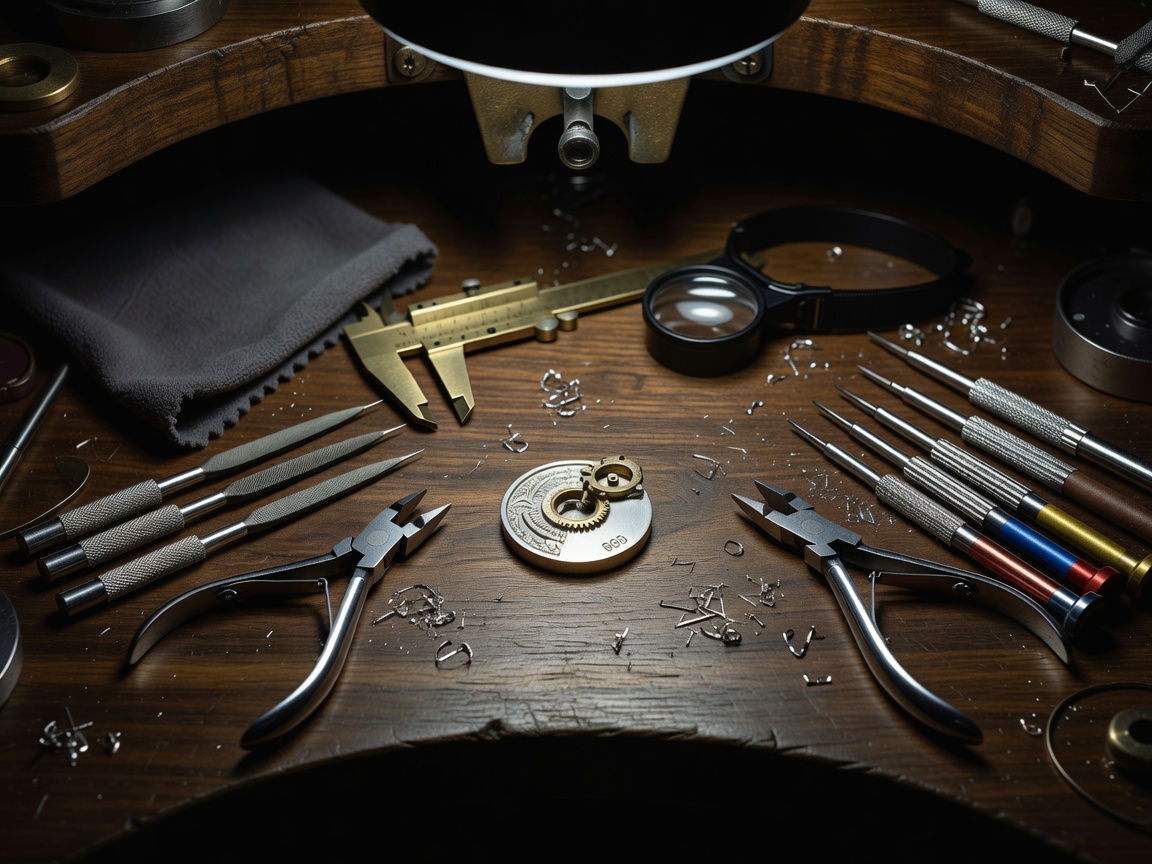
Method index
Technique changes the object.
Methods affect shape, surface, strength, repeatability, and repair. Handcraft and industrial production can use related principles while differing in tools, scale, and tolerances.
This guide is descriptive. It does not provide hazardous workshop instructions.
Forming and joining
Casting
Molten material is introduced into a prepared mold and allowed to solidify. Casting supports repeated forms and complex shapes. Finishing is usually required. Industrial casting may use controlled systems that differ from studio practice.
Forging
Forging shapes metal through controlled force. It can alter thickness and grain structure. The method is associated with strength and direct tool contact, but results depend on material and process.
Soldering
Soldering joins metal components with a lower-melting joining alloy. It is common in assembly and repair. Heat management, ventilation, and professional training are essential; this guide gives no operational procedure.
Surface and relief
Engraving
Engraving removes material with a cutting tool to create lines, lettering, or patterns. It may be hand-cut or machine-assisted.
Chasing
Chasing uses tools to refine or texture the front surface of metal. The term often describes low-relief shaping and detail work.
Repoussé
Repoussé forms raised relief by working metal from the reverse. Chasing may then refine the front. The two terms are often discussed together but describe different directions of work.
Filigree
Filigree uses fine wire arranged into openwork patterns. It appears in many regions and is not exclusive to one country.
Granulation
Granulation applies tiny metal beads to a surface or structure. The result depends on careful preparation and joining. Historic examples require close technical and material analysis.
Setting and finishing
Stone setting
Setting secures a stone in metal. Bezel, prong, channel, and pavé are common categories. A bezel surrounds the edge; prongs hold selected points; channel settings place stones between metal walls; pavé creates a closely set surface.
Polishing and finishing
Polishing refines a surface to create reflectivity. Other finishes include satin, matte, brushed, hammered, and oxidized effects. Finish affects maintenance and how marks appear.
Good for
Use this vocabulary when reading workshop descriptions, museum labels, or object catalogues.
What to know
Technique names can overlap. Ask whether a description refers to the primary forming method, a decorative treatment, or a final finish.
Next: compare the matter.
Materials change appearance, workability, care, and finishing choices.
Explore materials